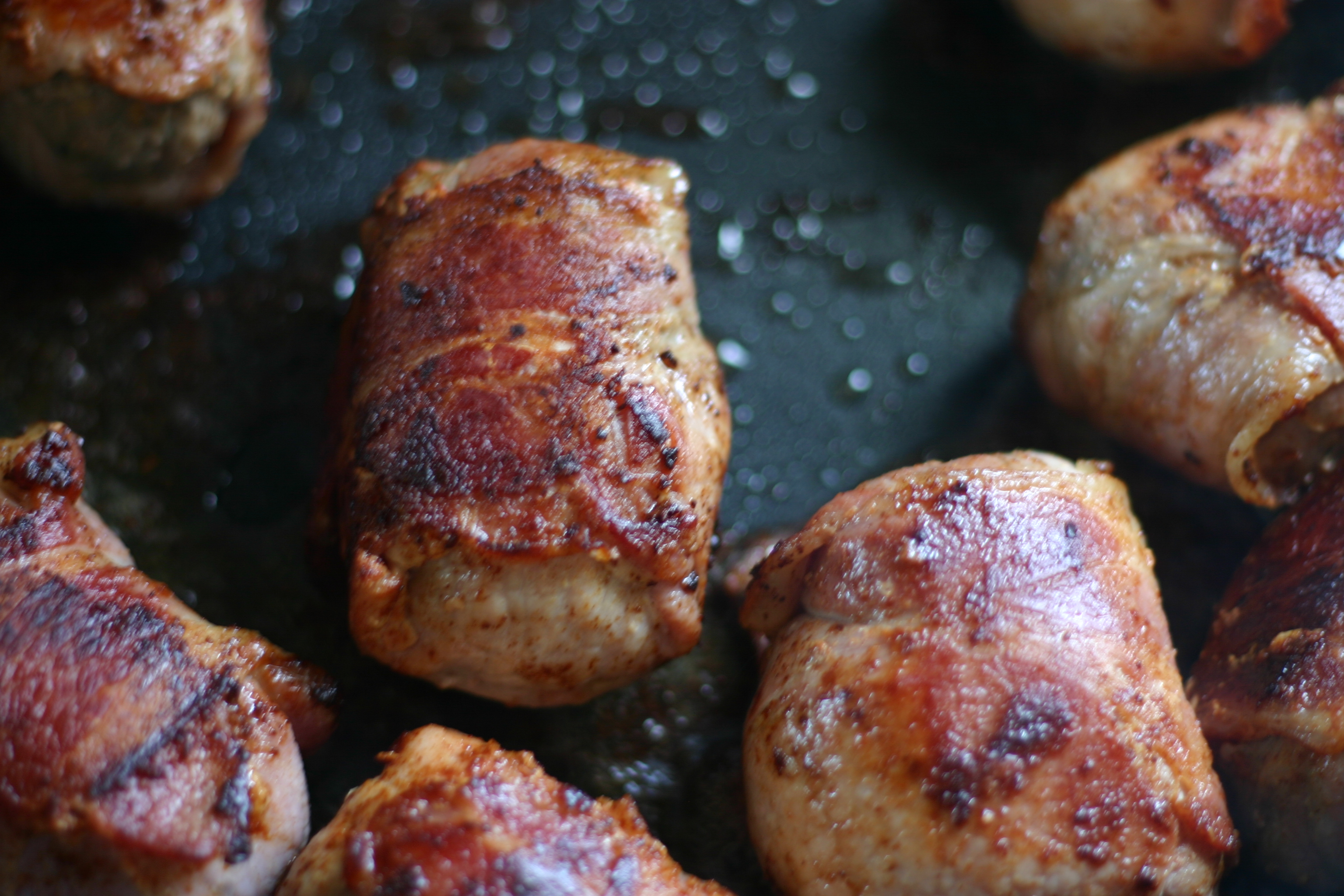
It wasn’t that easy finding a Dutch World Cup meal I thought we’d all enjoy eating, especially as a lot of the food seemed more like winter fare. I eventually settled on slavinken — ground meat seasoned with herbs and wrapped in bacon before being panfried – which I served with appelmoes (applesauce). If I make these again, I’ll cook six and freeze six for another meal — Adam ate two, but the rest of us were fine with one. Continue reading
Stamppot
9 JulThere are lots of recipes for stamppot, using different combinations of root vegetables and greens. I opted for “boerenkool stamppot”, mainly because it used up the rest of the kale I bought for the caldo verde. Most of the recipes called for bacon, but as I was serving the stamppot with slavinken, I left it out and added some diced gouda cheese instead. Continue reading
Salade niçoise
8 JulFor our French World Cup meal we’re having salad niçoise with chocolate mousse for dessert. We have salade niçoise a lot – quick, healthy and easy to customise each plate for each person’s preferences: extra anchovies for me, no tuna for Lyra, double onions for Adam, pass on the capers for Nova etc. Continue reading
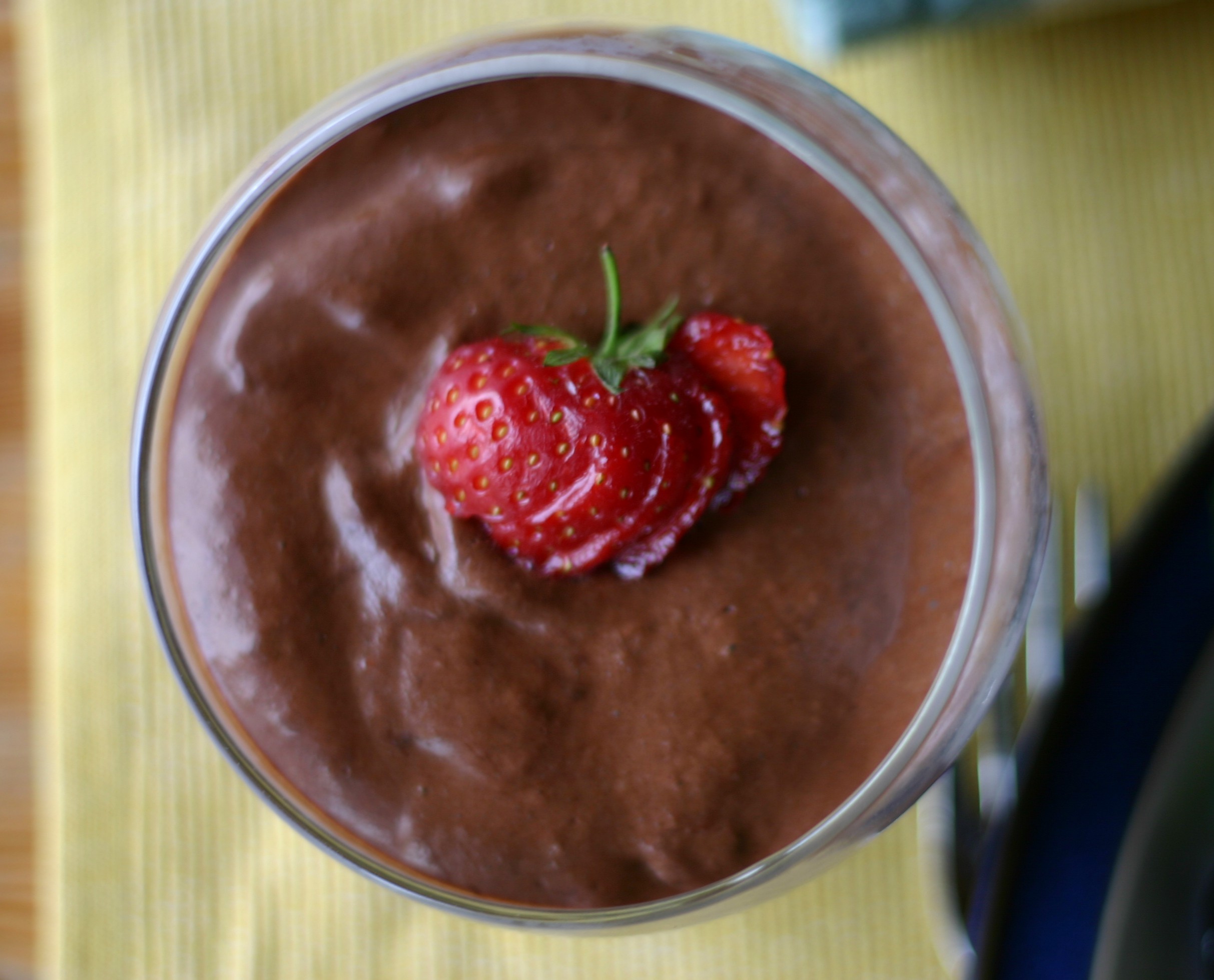
Chocolate mousse
8 JulThis is the first time I’ve ever made chocolate mousse. I looked at a few recipes before deciding on this one by Raymond Blanc. It’s pretty straightforward, though I should have been a quicker about stirring the egg whites into the melted chocolate, and ended up doing more folding than I otherwise would have (and it was still a bit lumpy). Continue reading
Caldo verde
7 Jul
For our Portuguese World Cup meal, we had caldo verde. I served it with some Ponte Nova cheese, chourico (Portuguese chorizo), Portuguese bread and pastéis de nata for dessert. Continue reading
Pastéis de nata
7 JulThese Portuguese custard tarts were surprisingly easy to make, and delicious to eat when sitll warm. Another Simon Rimmer recipe I found online. Continue reading
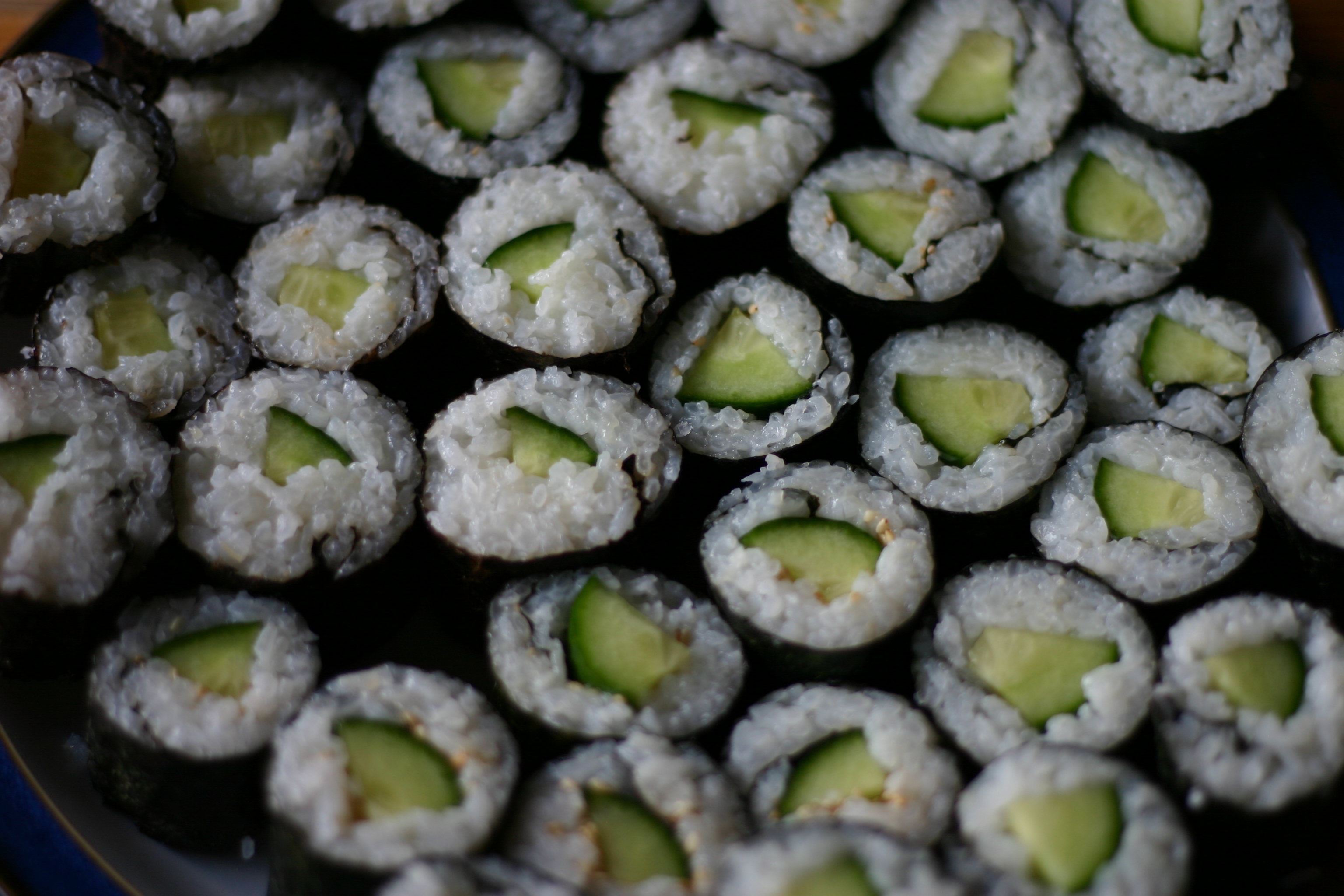
Cucumber maki
6 JulThese are very easy to make — Lyra often does them by herself once I assemble the elements for her. Continue reading
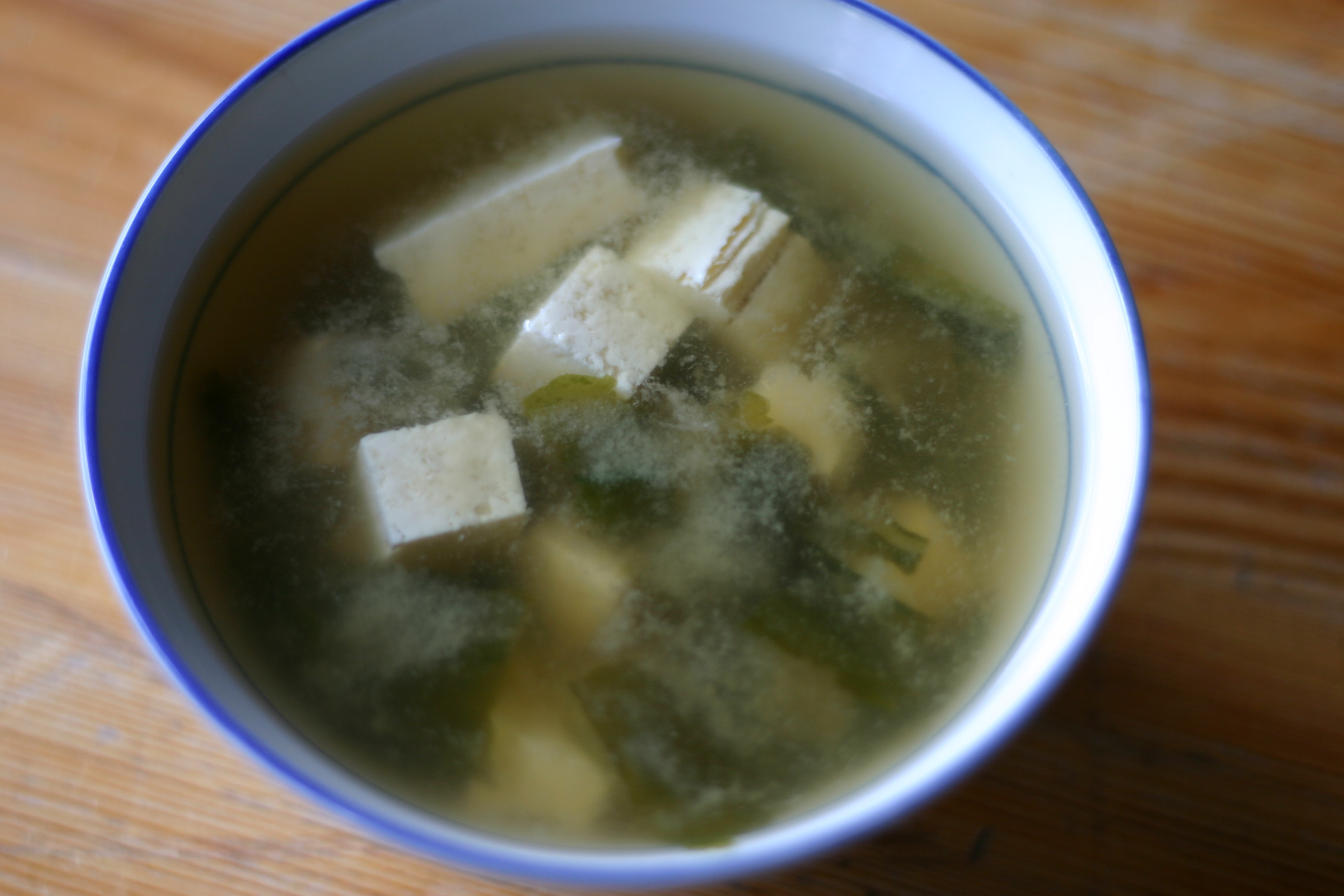
Miso soup with tofu and seaweed
6 JulI sometimes knock together a super quick bowl of miso soup by boiling water in the kettle, pouring it into a cup with a teaspoon of miso paste, then adding some chopped tofu and green onion. But it’s still easy – and tastes a lot better – when I take the time to measure the ingredients. I use a recipe in At Home With Japanese Cooking by Elizabeth Andoh. Continue reading
Patagonian potatoes
5 JulWhen I was looking for Argentinian potato dishes to accompany the lomo asado, this recipe from Argentinian chef Francis Mallman kept coming up. Essentially it’s a quick-cooked potato galette that serves as a base for the grilled meat. Continue reading
Black Forest cake
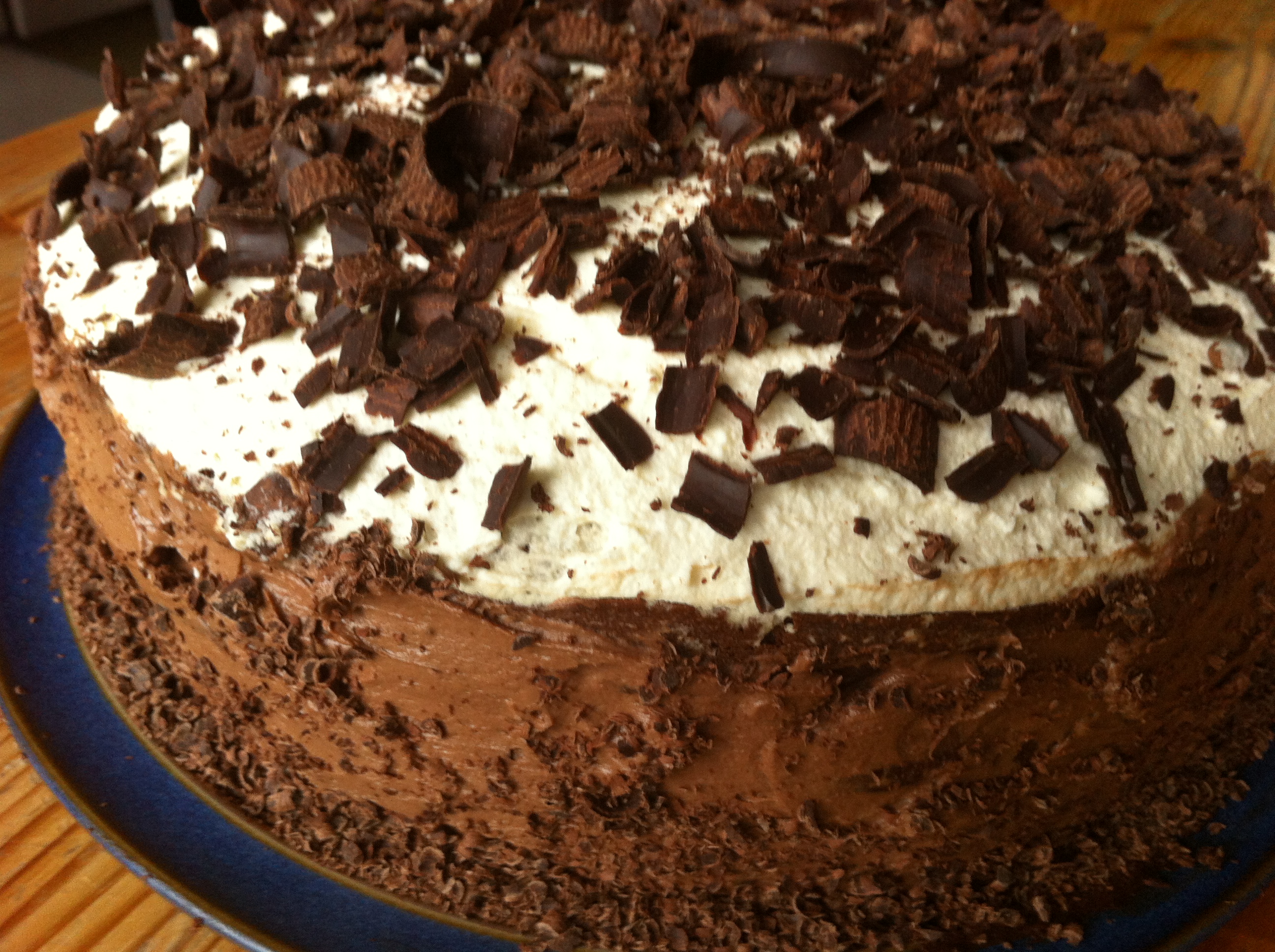
4 JulNova asked me to make a black forest cake for her 13th birthday – which worked out neatly as Germany were playing France in the World Cup that evening. Baking is not my strong point, and I found this cake a challenge. For the cake layers, I followed a recipe from The Prawn Cocktail Years by Simon Hopkinson, but went off piste when it cake to filling and decorating. As I didn’t have a 20cm cake pan, I used one that was a little bit bigger. This was a mistake – if I make this again, I’ll opt for a smaller pan, which should make slicing the cake into three layers a whole lot easier. Continue reading
Bosnian ajvar
3 Jul
Making ajvar to go serve with our Bosnian meal of cevapi and somun was a last-minute decision, when I realised that making proper kajmak took a day and a half (a few hours before dinner).
A flavourful purée of roasted vegetables and garlic, versions of ajvar are made throughout the Balkans. It keeps well in the fridge. Continue reading
Kedjenou
2 Jul
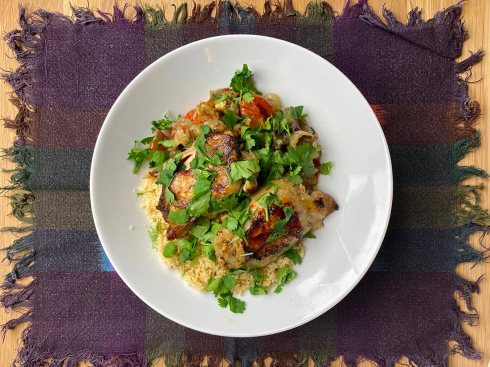
For our Ivory Coast meal, I went with kedjenou, a chicken and vegetable dish, cooked slowly in a tightly-sealed pot. There’s no liquid added, and you must shake the pot occasionally to keep it from sticking. Apparently “kedjenou” means to shake in Baoulé – one of the sixty(!) languages spoken in the Ivory Coast. I pretty much followed the recipe on the Whats4eats website, but all the ones I looked at were all pretty similar. Continue reading
Albondigas
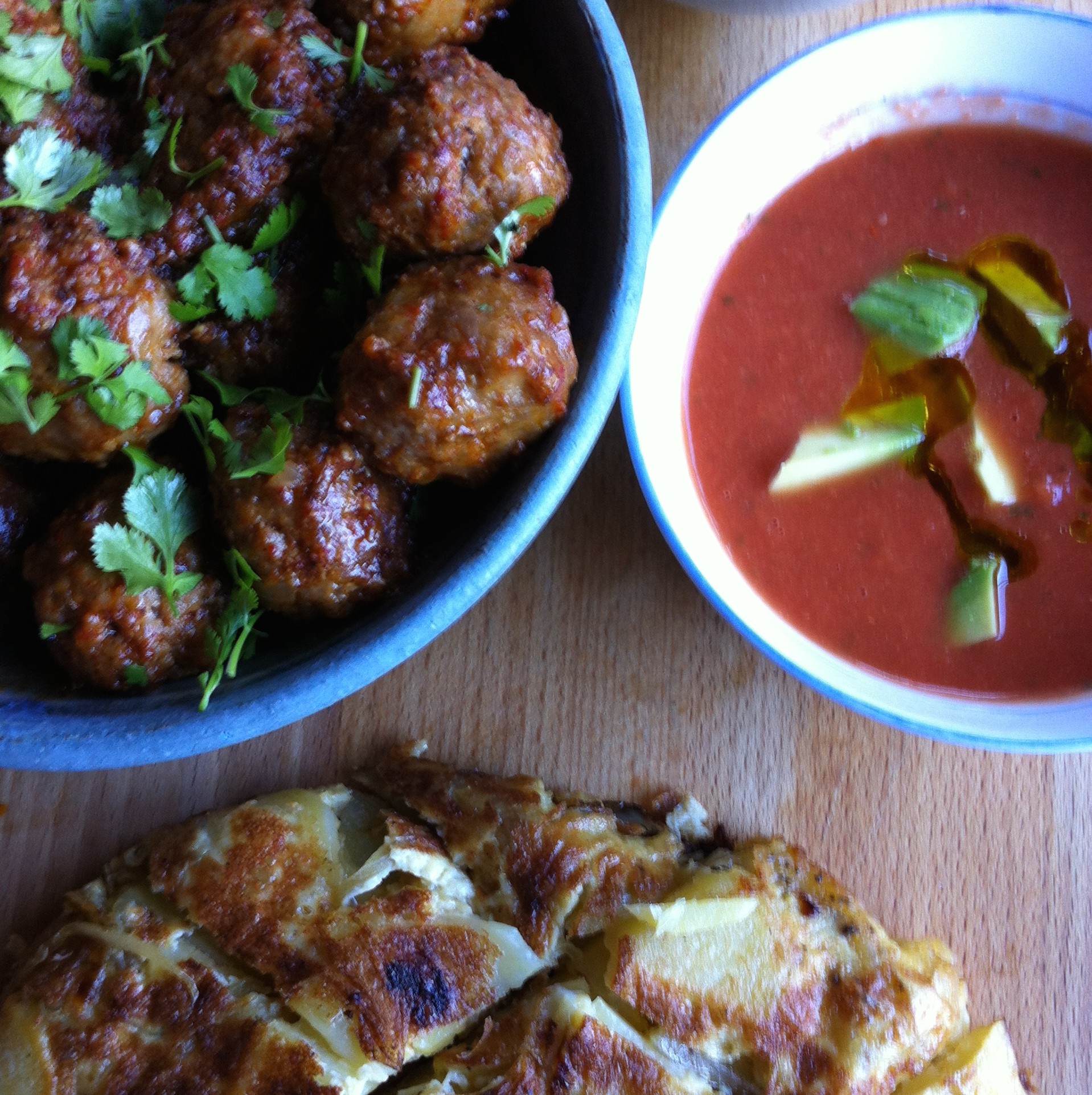
1 JulAlbondigas, tortilla and gazpacho are on the menu for our Spanish World Cup meal. I don’t remember where I got this albondigas recipe from – I have a vague memory of copying it from a magazine. At any rate, I’ve been making it for years. Continue reading
Tortilla
1 JulI often make tortillas to use up leftover boiled potatoes or green beans, reheating the vegetables in a frying pan then adding beaten eggs and allowing it to set.
For our Spanish World Cup dinner, I followed the recipe in the Moro cookbook, slowly caramelising the onions, frying the potato slices in olive oil, and turning it half way through to fry both sides instead of just sticking it under the grill.
More work, but a much tastier tortilla. Continue reading
Gazpacho
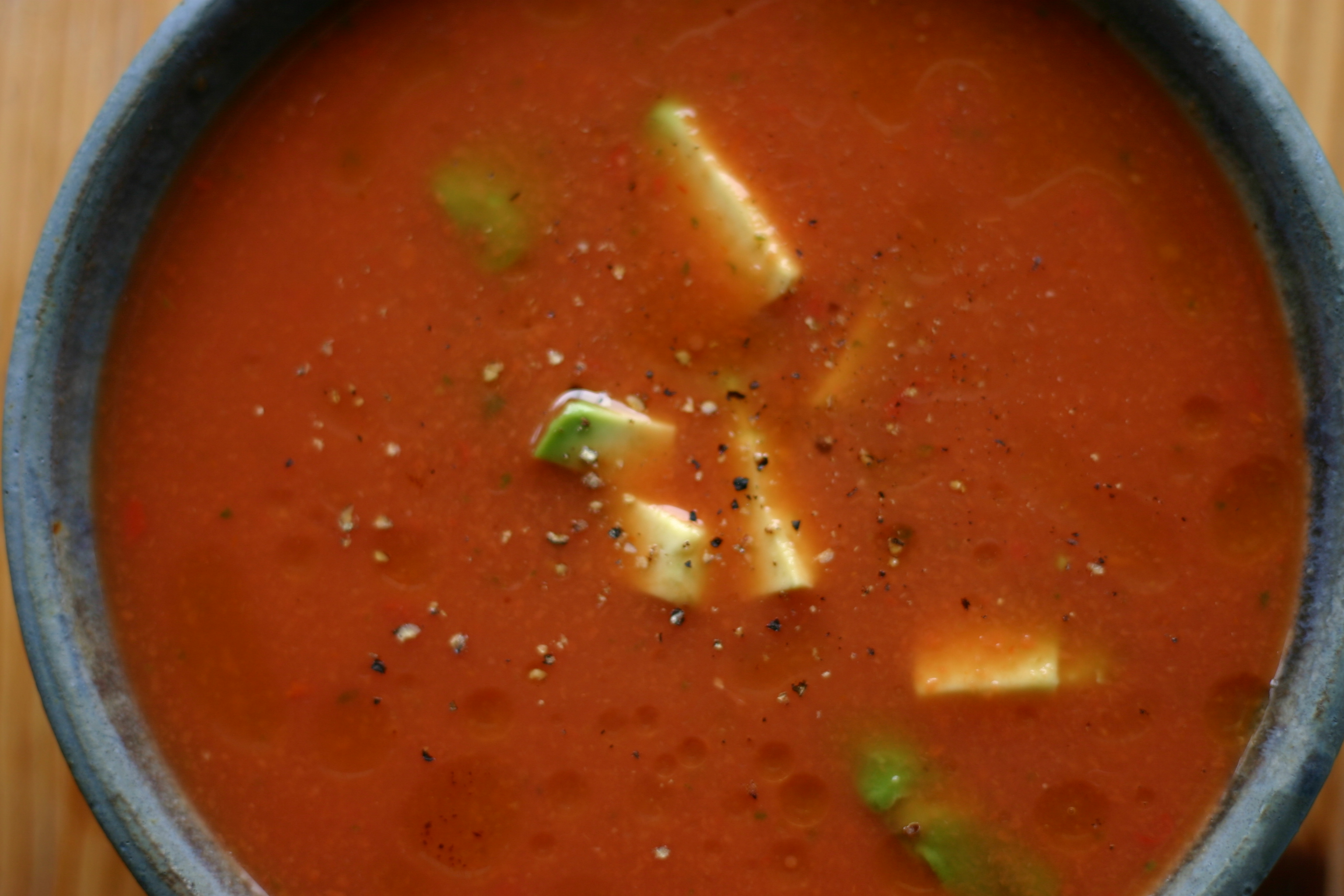
1 JulExpecting better things of Spain, I put them on day 22 of our World Cup menu plan. This recipe takes about three minutes to make –– about as long as it took Spain to crash out of the World Cup…;-)
Nova has never liked gazpacho much, which dragged the family score down considerably. Continue reading
Gallo pinto with sautéed plantains
29 JunGallo pinto is the national dish of Costa Rica, making it the right choice for their World Cup dish. I was originally going to serve it for lunch with a fried egg on top, but we were all feeling a bit egged out. The fried plantains were a good way to go as well. My gallo pinto looks more brown and mushy than the pics I’ve seen. I think this was because I used freshly cooked rice, which was still soft and absorbent, instead of leftover cooked rice. I followed the recipe I found on The Hot Plate website for this meal. Continue reading
Lime-lemon bars (barras de limón)
28 JunThis Colombian recipe was dead simple to make – in fact, Lyra did most of it. I found it on the My Colombian Recipes website. Continue reading
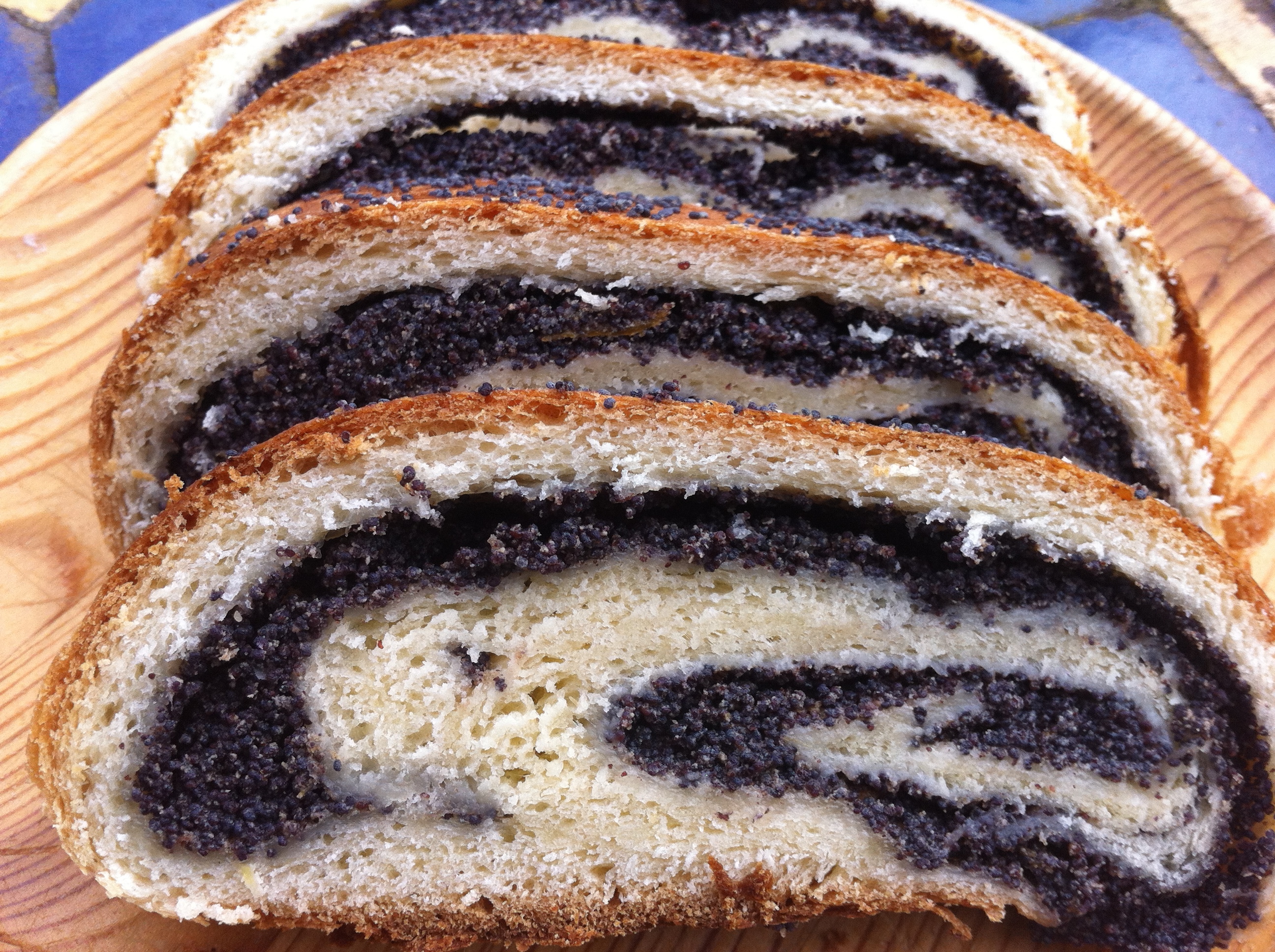
Sweet poppyseed scroll loaf (makovnjaca)
27 JunI wanted to try this recipe because I remember eating it at our Yugoslavian neighbour’s house when I was little. Kind of a faff to make – you need to start it the day before – but it looked great and tasted pretty good too. Recipe from the Eatori website. Continue reading
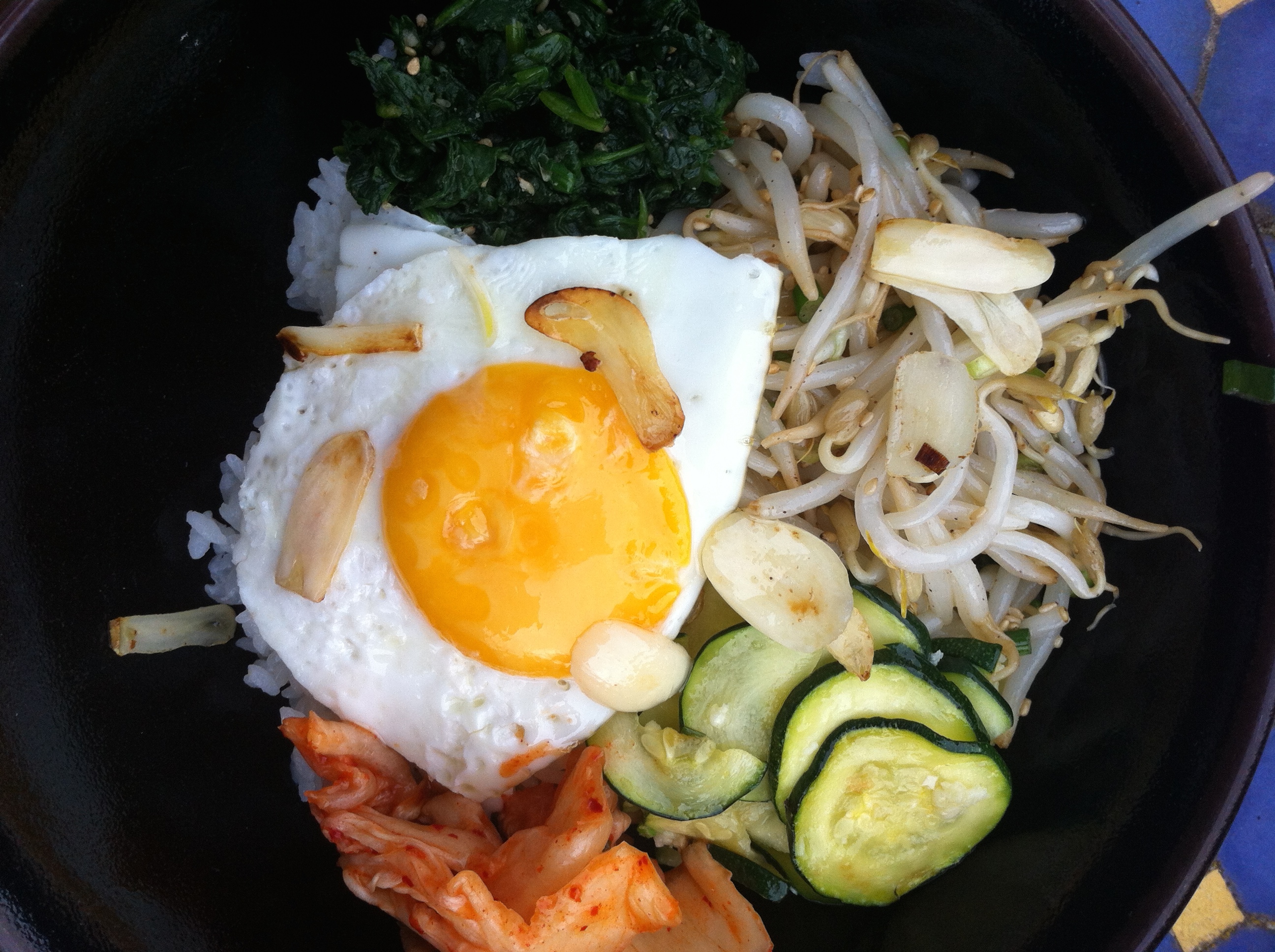
Bibimbap
26 JunWe eat bimbimbap at least a couple of times a month. In fact, Lyra was surprised to discover that her friends don’t eat it at their homes. The name means “mixed rice”, and one of the most satisfying things about the dish is stirring the carefully arranged rice, gochujang, egg and vegetables into a delicious, sticky mess. The only “speciality” ingredient is the gochujang, which is available from Asian grocery stores. Continue reading
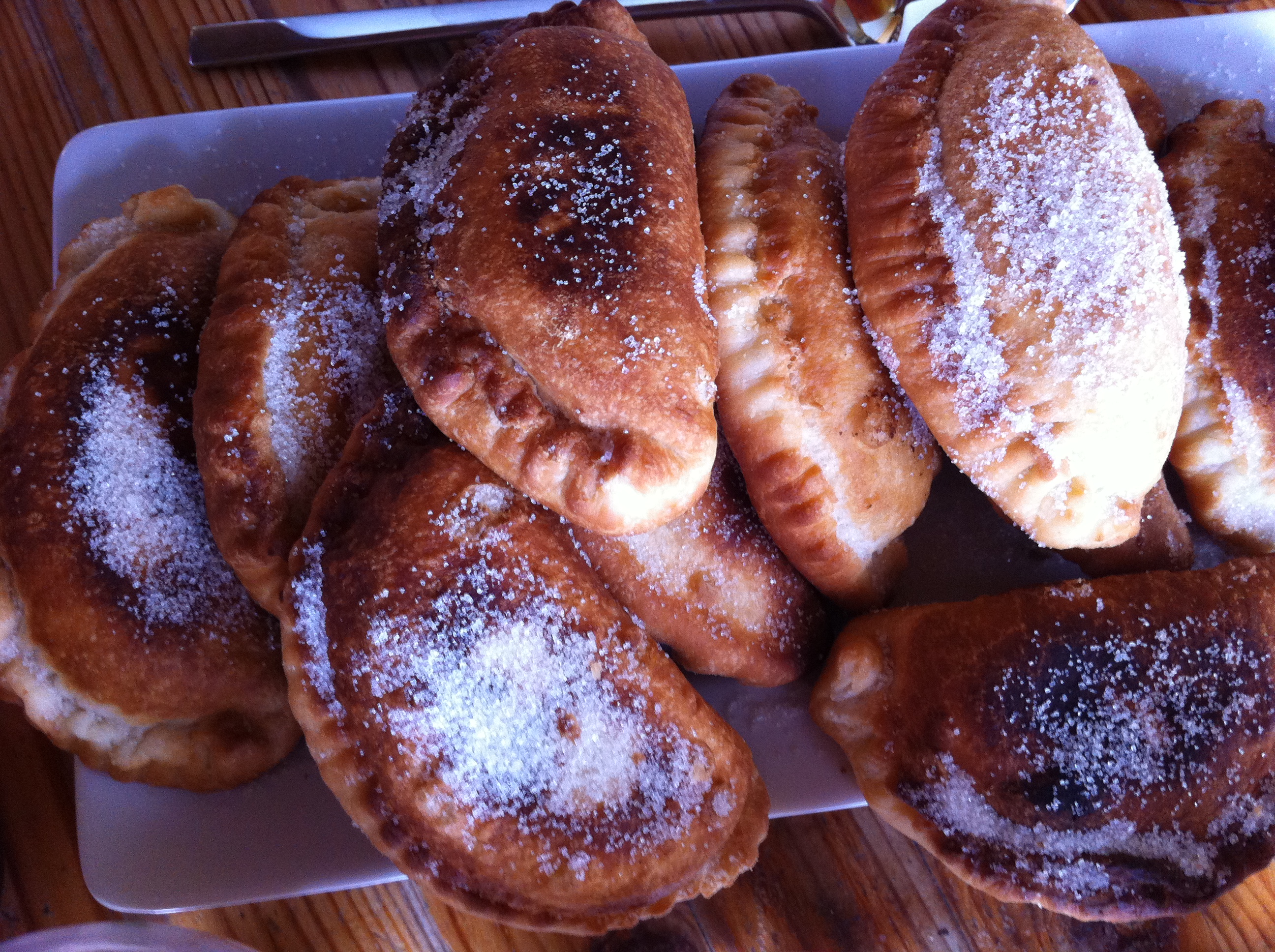
Empanadas de viento
25 JunMade these cheese and onion empanadas for our Ecuadorian World Cup meal. I was skeptical about the idea of sprinkling something savory with sugar, but it works. The recipe comes from Laylita’s Recipes, and goes into great detail about the different types of empanada dough. Continue reading
Ceviche
25 JunI decided to make ceviche our Ecuador World Cup dinner. I always thought ceviche was Peruvian, but it seems there are versions from around central and South America. Added corn nuts to my usual recipe to give it an Ecuadorian twist. Continue reading
Chicha de piña
25 JunFifteen years ago, I tried making the drink from pineapple skins in Delia’s Summer Cooking, and it was horrible. This time I followed the instructions on Laylita’s Recipes, and it came out much better. It has a subtle pineapply flavour, and is excellent with a shot of rum. Continue reading
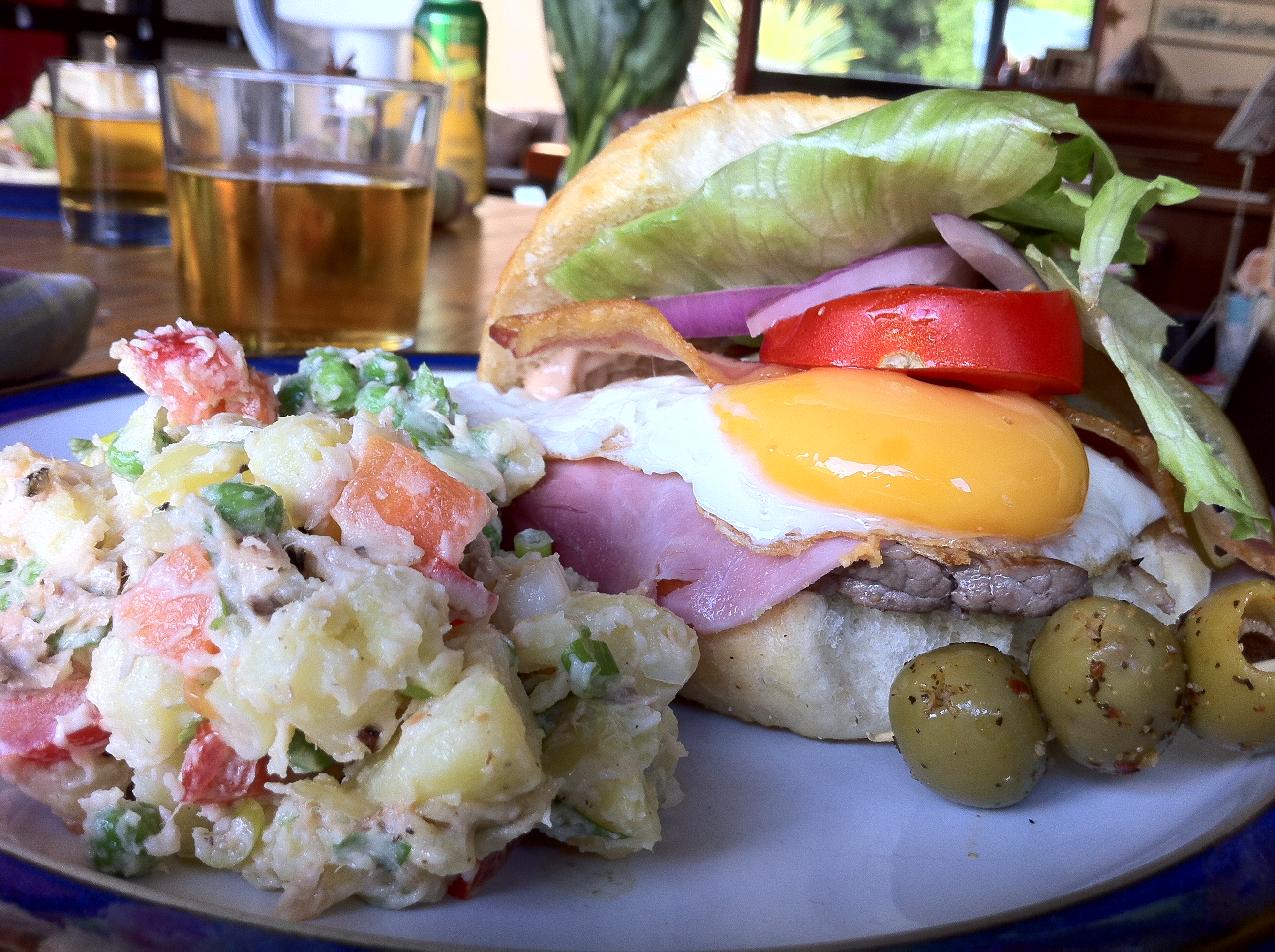
Chivito sandwich
24 JunThis Uruguayan sandwich is a monster. I looked at a few recipes for chivitos, eventually making it with less than half the meat called for. It still defeated everyone but Adam. This website goes into a lot of detail about how to assemble a chivito. Continue reading
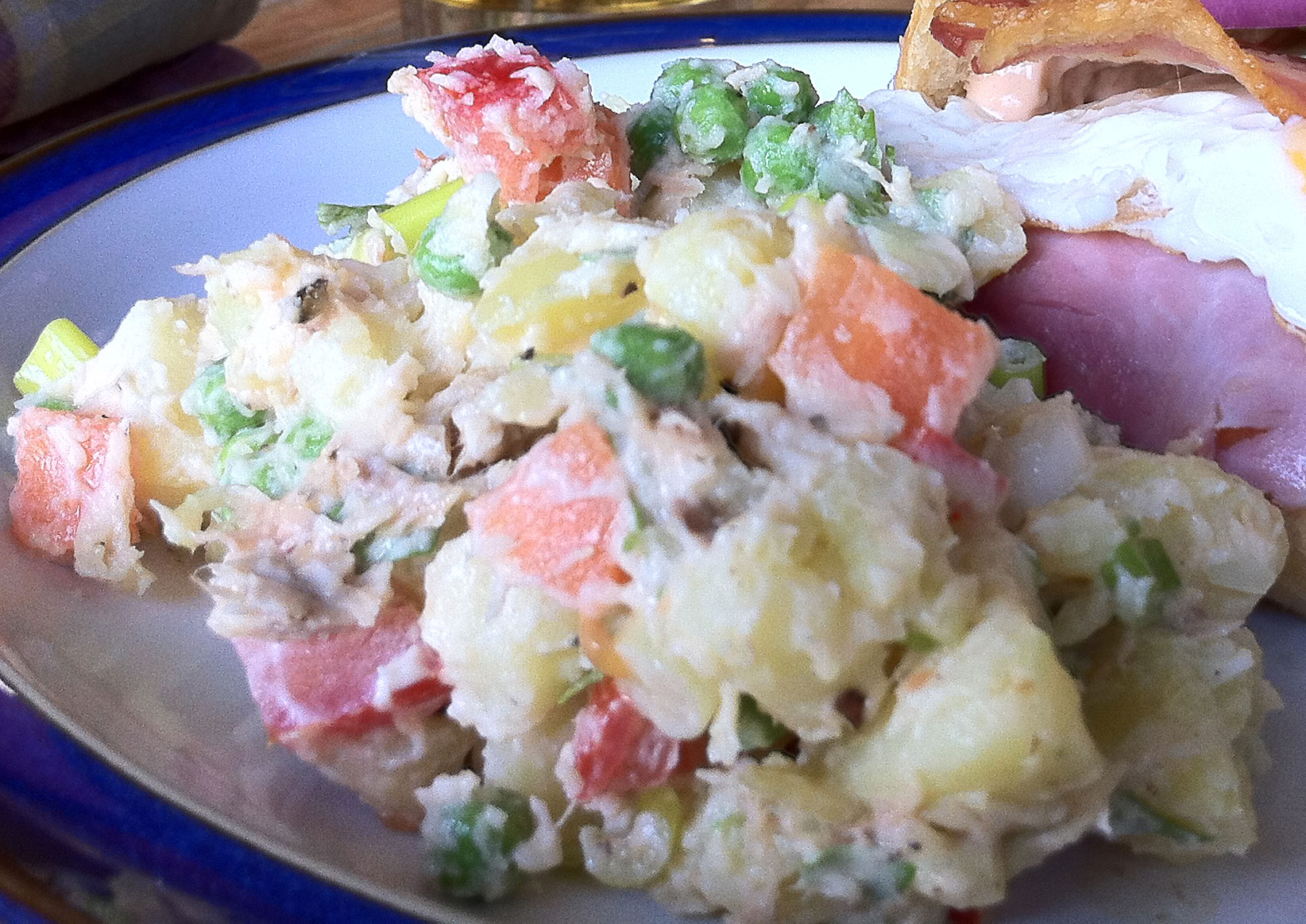
Russian salad
24 JunWe ate this along with our Uruguayan chivito sandwich. Russian salad is one of those dishes that is served round the world (with the exception of Russia?) Lyra eagle-eyed the small flakes of tuna and took against it, only eating a few bites, and scoring it a measly 3 out of 10. Continue reading
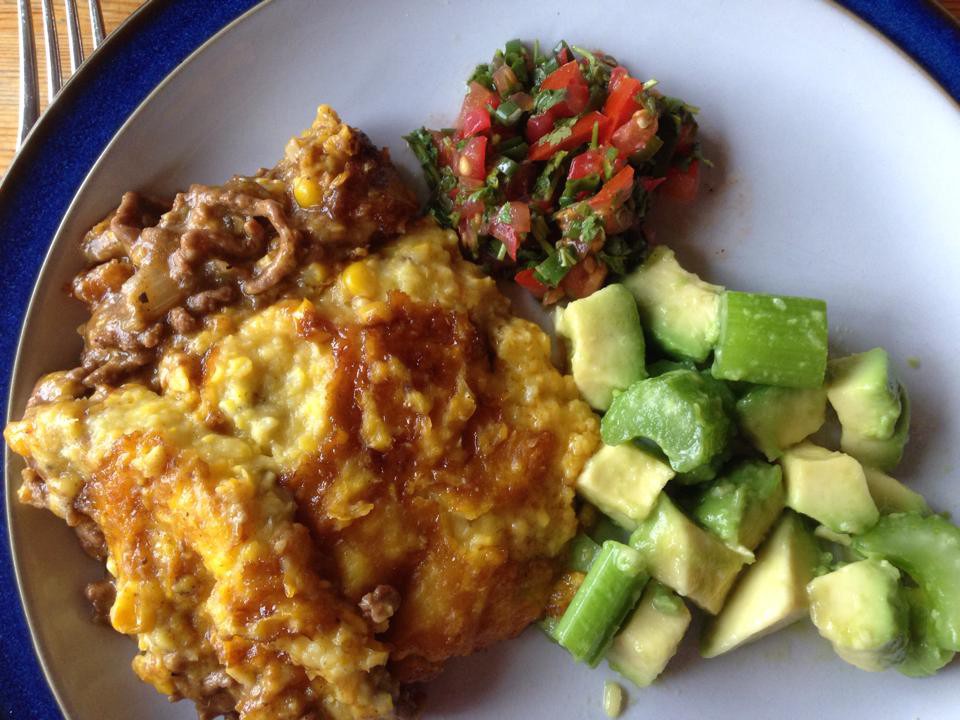
Pastel de choclo (corn pie)
23 JunI occasionally make the veggie version of Chilean corn pie from the Sundays at Moosewood Restaurant. This original meat-based version turns out to be very tasty as well. Actually, neither of the girls liked it much – I think the relative sweetness of the corn topping put them off. Ideally, the topping should have firmed up a bit more – I added extra milk while blitzing the topping mixture, which was probably a mistake. I made it following a recip on the Quericavida website, which I adjusted slightly. Continue reading
Pebre
23 JunChile’s version of salsa. Looking at a few recipes, the key elements are tomatoes, onion, garlic, cilantro and vinegar. I stuck with my version of the recipe from Sundays at Moosewood Restaurant, which I’ve been making for years. It keeps for several days in the fridge. Continue reading
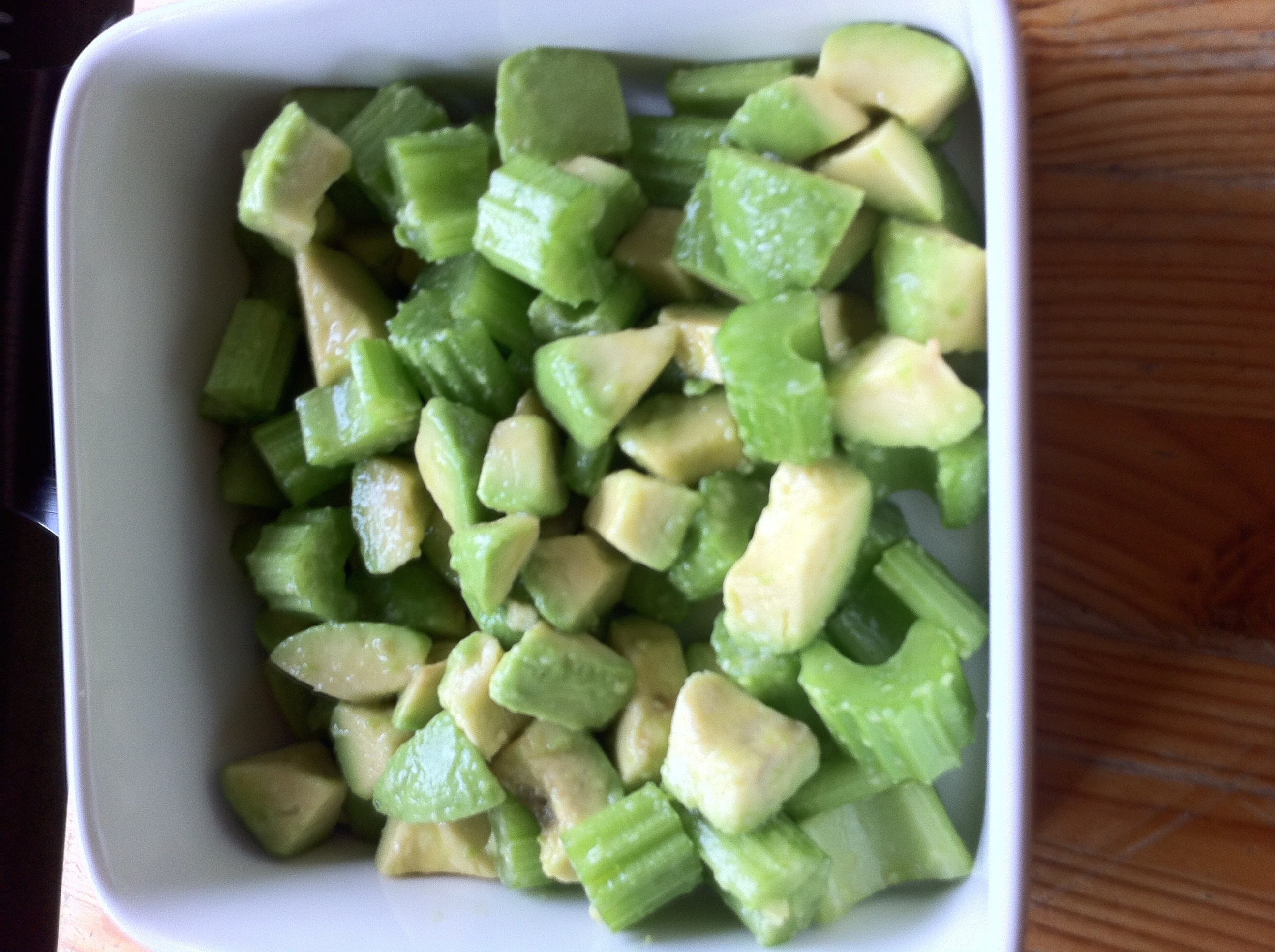
Apio palta (celery avocado salad)
23 JunWe all liked the contrasting textures of the avocado and celery in this Chilean salad. Recipe from The Latin Kitchen website. Continue reading
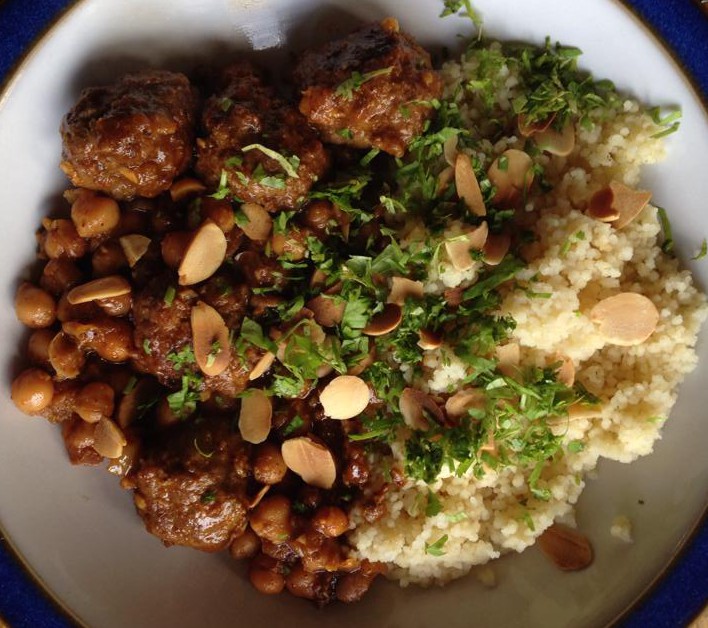
Algerian meatballs with chickpeas
22 JunThis Algerian recipe for m’touem b’marqa hamra (meatballs and chickpeas in garlicky red sauce) is awesome. Meatballs are a bit time consuming, but worth the effort for this dish. I found the recipe on The Teal Tadgine website, and followed it pretty much as written. It claims to serve four to six people, but if it had made more, the four of us would have eaten it. Continue reading
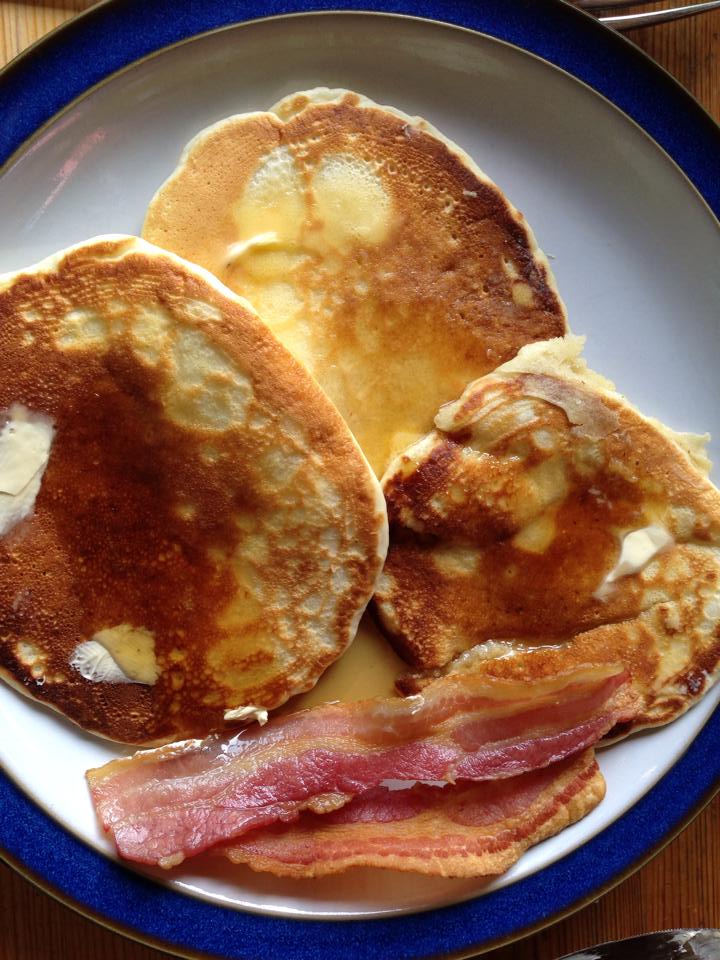
Pancakes with bacon and maple syrup
22 JunThese are the pancakes my mum used to make, which I included in Fern’s Food. We’ve played around with different recipes over the years, but have pretty much settled on this one now. Continue reading
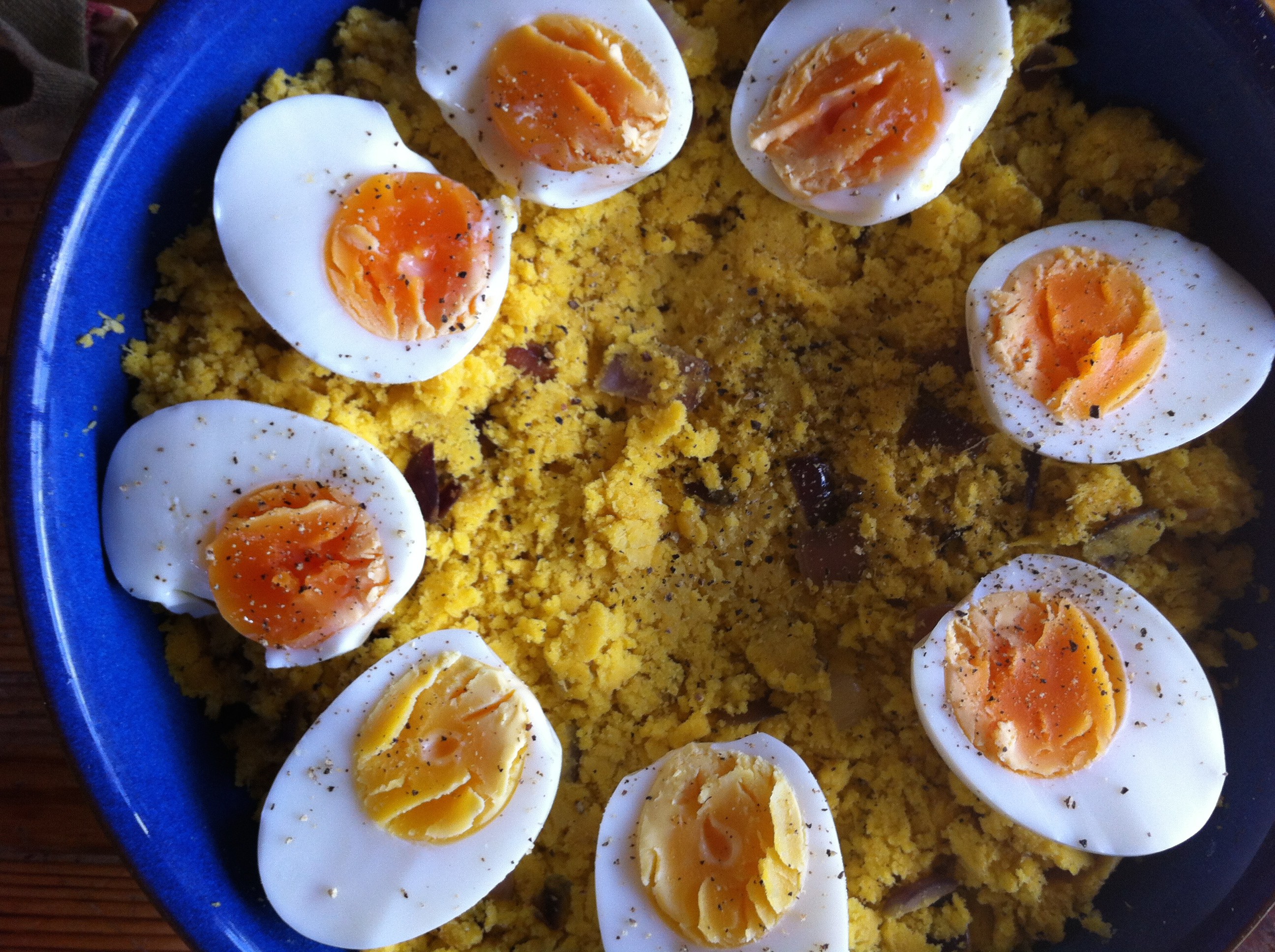
Oto with boiled eggs
21 JunWe ticked Ghana off our World Cup list with this dish of oto and hardboiled eggs. Traditionally eaten for breakfast, I opted to serve it for lunch, when I thought it might get a better reception. We ate with our hands, scooping up little clumps of oto and squashing them together, and added to the overall experience. I definitely liked it more than the rest of the family, none of whom scored it more than five. For the recipe, I looked at a few versions and came up with my own version. The Skinny Gourmet website goes into a lot of detail about how oto is often served for birthday or wedding breakfasts, and includes pictures of it being prepared. Continue reading
Tiramisu
20 JunWe had this tiramisu for dessert on Italian World Cup night. I don’t follow a recipe for this — I just thin a tub of mascarpone with cream, flavour and sweeten it to taste, then layer in a bowl with coffee-soaked biscuits or cake, and top with grated chocolate. The longer it sits, the better it gets… Continue reading
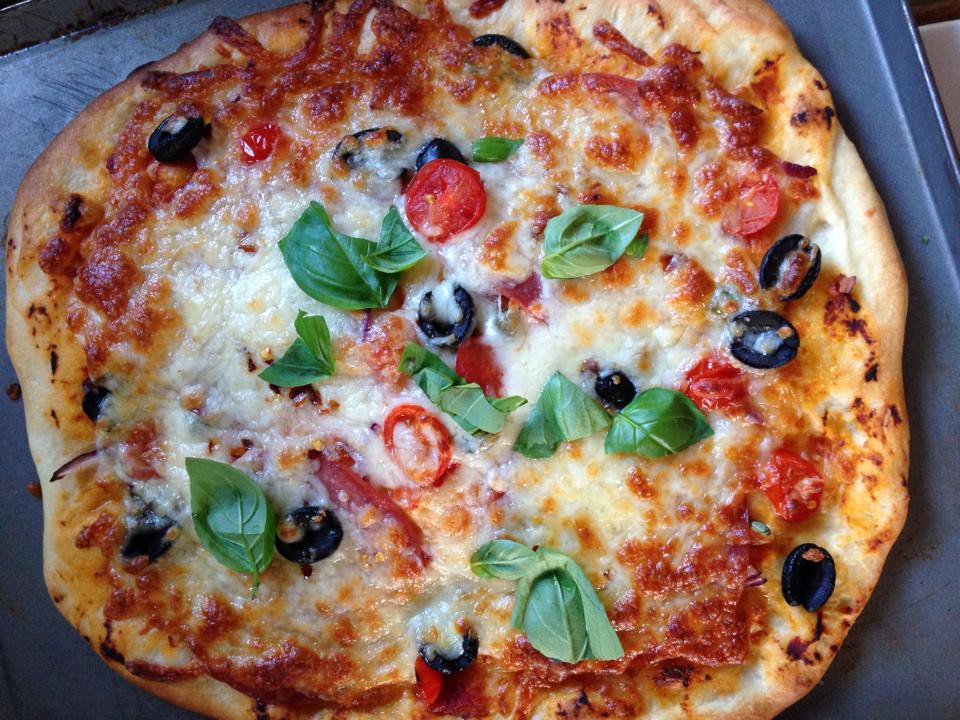
Pizza
20 JunI served pizza and tiramisu for our Italian World Cup meal. I sometimes make a double batch of pizza dough and freeze half, which makes homemade pizza an easy weekday option. I copied the dough recipe from a magazine many years ago… Continue reading
Greek salad
19 JunWhen Lyra asked me what meal I would choose if I had to eat it every single day for the rest of my life, I picked Greek salad. As it is, definitely eat it at least once a week. Continue reading
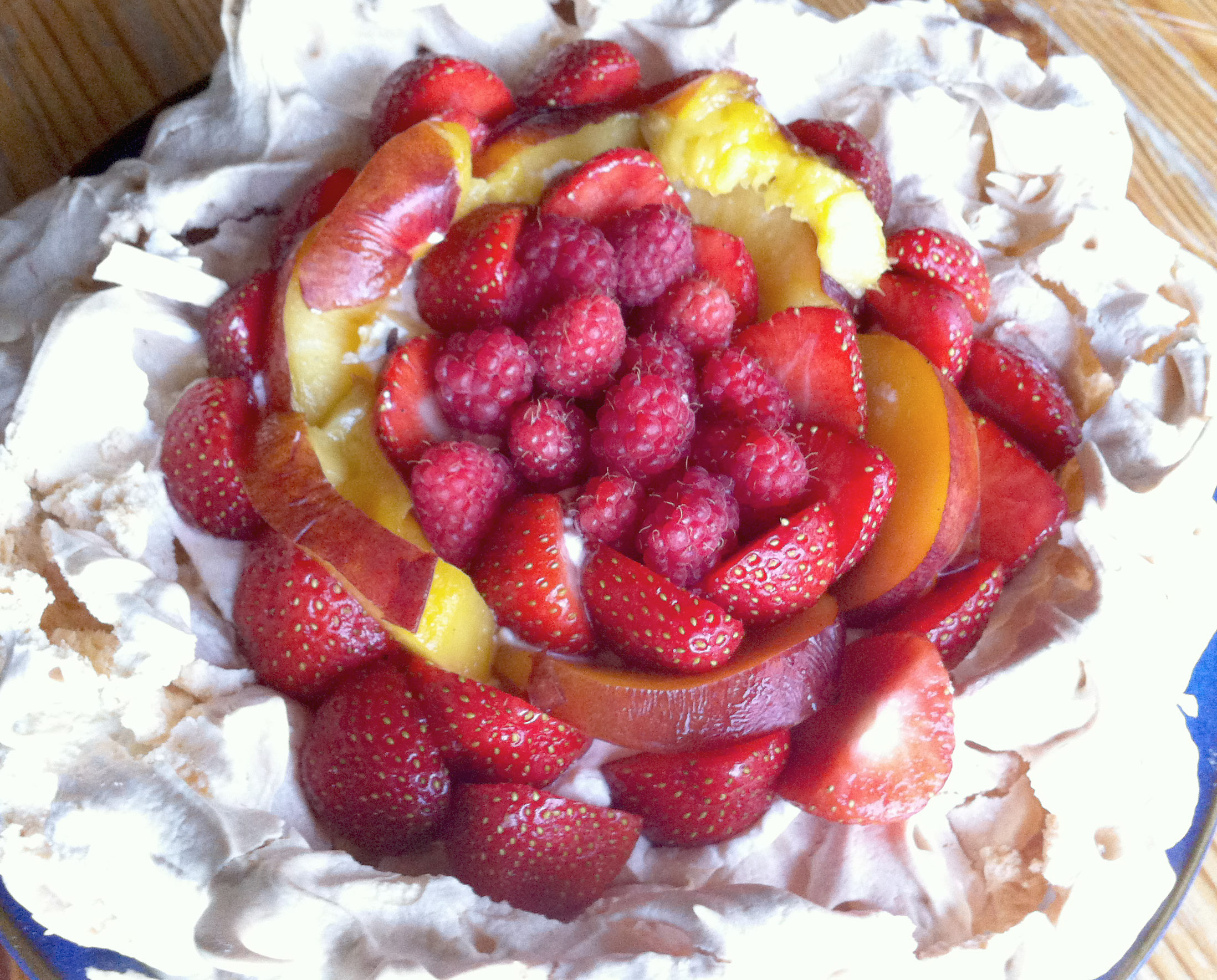
Pavlova
19 JunAustralia’s World Cup dish was always going to be pavlova – a great favourite of both girls. I don’t follow a recipe for this, but go with whatever fruit, dairy and number of eggs whites we have to use up. I just add twice the volume of sugar to the volume of egg whites, and it always turns out fine. Continue reading